Skip to content

SAME DAY SHIPPING IF ORDERED BY 12pm!

120 Certified Game Balls, only 156.99!

LAX RADARS $150! Free Shipping

Find Your Spot on the Field: A Guide to the Four Positions in Lacrosse

Find Your Spot on the Field: A Guide to the Four Positions in Lacrosse

Find Your Spot on the Field: A Guide to the Four Positions in Lacrosse

Every player fits somewhere. The trick is figuring out where, and then leaning into it.

Here is a plain-language look at the four positions in lacrosse, what each one asks for, and the kind of player who tends to thrive there.


Where everyone lives

A standard field team runs ten players: three attackers, three midfielders, three defenders, and a goalie.

  • Attack stays in the offensive end, near the other team's goal.
  • Midfield covers the entire field, sideline to sideline, on offense and defense.
  • Defense stays in the defensive end, protecting your own goal.
  • Goalie plays in the crease, directly in front of your own goal.

Restraining lines keep attackers and defenders in their halves during play, which is why midfielders do so much running. They are the ones allowed to go everywhere.


How to think about position

Position is not a life sentence. It is a starting point.

The best young players try several spots before anything sticks, because every skill you build in one position makes you better in the others. A midfielder who spent a year on defense reads the field better. An attacker who once played goalie knows exactly where shooters want to go.

So read these as a map, not a label. Find the one that sounds like your player today, lean into it, and stay open to the rest.


Attack

Lives in front of the goal and is expected to score and feed. The finishers.

The role. Attackers stay in the offensive half and make the offense go. They dodge to create chances, feed teammates cutting to the crease, and finish the looks they earn. When the ball is on the ground down low, they ride to win it back.

What it demands.

  • Quick hands and a fast, accurate release
  • Creativity and confidence with the ball
  • Composure with a defender draped all over you
  • Vision to feed, not just shoot

Who thrives here. The player who wants the ball in the biggest moments. Comfortable one on one, hard to knock off balance, and just as happy setting up a teammate as scoring. Skill and poise matter more than raw size.

Skills to build.

  • Both hands, finished on the run
  • Dodging from up top and from behind the goal
  • Shooting on the move and in tight
  • Feeding to a cutter under pressure

The stick. Attackers run a short complete stick built for a quick release and tight handling. Hours of wall ball and shooting reps are what separate good attackers from great ones.


Midfield

Runs the whole field, both ways. The engine of the team.

The role. Midfielders play offense and defense. They carry the ball through the middle in transition, take their turn dodging on offense, then sprint back to defend when possession flips. On clears and rides, the midfield is where the game is won or lost.

What it demands.

  • Endurance to run all game without dropping off
  • Two-way skill, offense and defense both
  • Speed in transition, up and back
  • Toughness to win the middle of the field

Who thrives here. The best all-around athlete on the team. The player who never wants to come off the field and can affect the game even on a day the shot is not falling. Motor and versatility are everything.

Skills to build.

  • Conditioning built on sprints, not slow jogs
  • Ground balls in traffic
  • Dodging from up top
  • Team defense and off-ball positioning

The stick. Midfielders use a short complete stick and need to be reliable at both ends. A rebounder and a bag of balls turn a driveway into year-round two-way training.


Defense

Protects the goal and clears the ball. Breaks up plays before they start.

The role. Defenders guard the other team's attackers, disrupt dodges and feeds, and force bad shots. Once they win the ball, they start the clear and push it up to the offense. A great defender makes a scorer disappear for a whole game.

What it demands.

  • Footwork to stay in front of quick attackers
  • Physicality and controlled aggression
  • Smart positioning and communication
  • Patience, without lunging or reaching

Who thrives here. The competitor who takes it personally when their man scores. Often longer and rangier, but footwork and lacrosse IQ beat size. The best defenders talk constantly and make everyone around them better.

Skills to build.

  • Defensive footwork and the approach
  • Stick checks that stay legal and controlled
  • Ground balls and clearing under pressure
  • Talking through slides and switches

The stick. Defenders run a long complete stick, the long pole, which takes real reps to control. Footwork drills and wall ball with the pole build the comfort that shows up on game day.


Goalie

The last line and the loudest voice. Runs the entire defense.

The role. The goalie stops shots and directs traffic. They see the whole field, so they call out slides, mark up cutters, and organize the defense in front of them. The second they make a save, they start the clear and flip the team to offense.

What it demands.

  • Fearlessness in front of hard shots
  • Fast hands and quick reactions
  • A loud, constant voice
  • A short memory, on to the next shot

Who thrives here. The player who is not afraid of the ball and wants to be the difference. Leaders live here. A vocal, confident goalie makes a good defense great and steadies the whole team.

Skills to build.

  • Reaction training and hand speed
  • Footwork to the ball, driving to the shot
  • Outlet passing to start the clear
  • Commanding the defense out loud

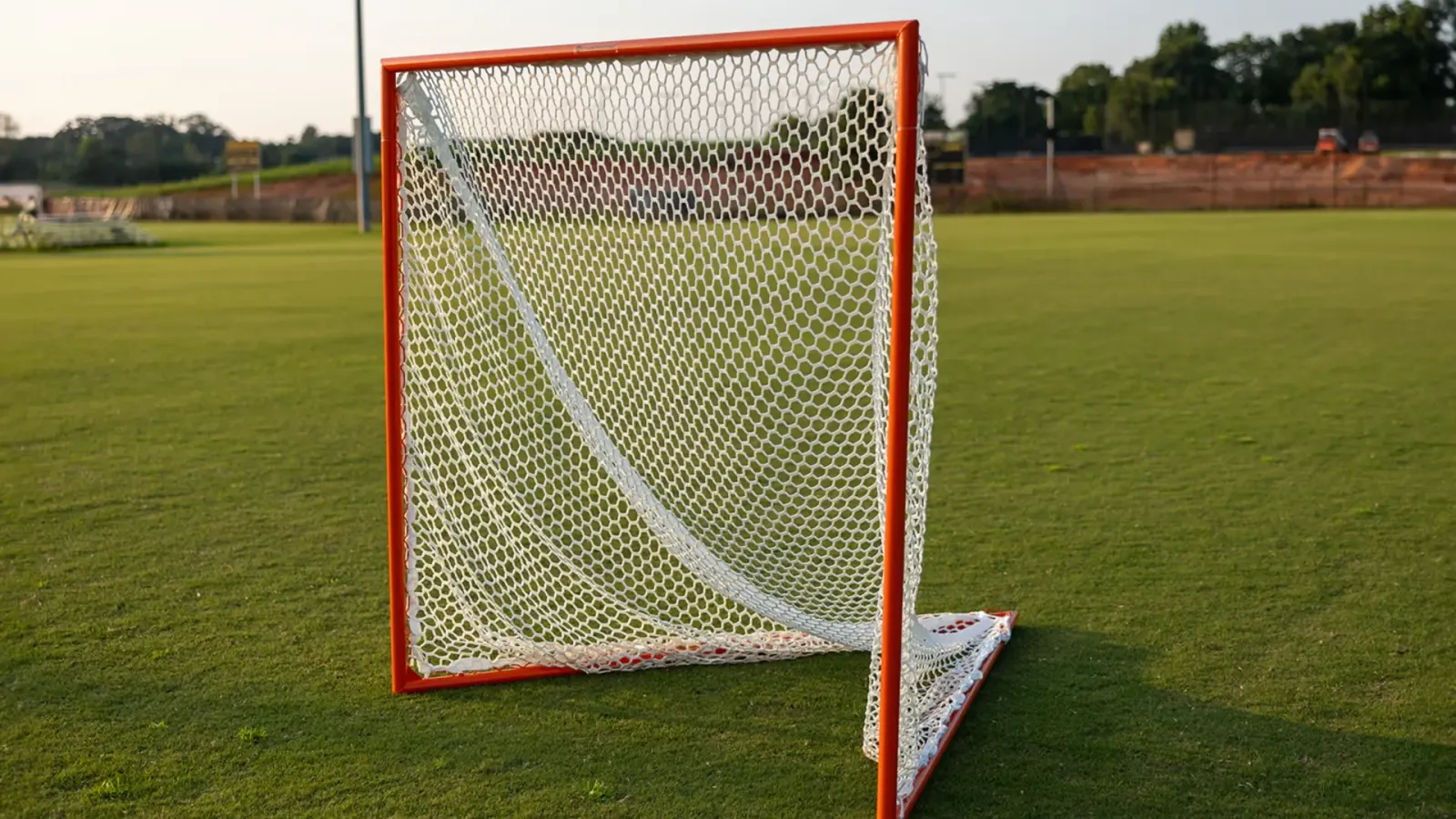
The stick. Goalies use a complete stick with an oversized head. The fastest way to improve is live reps on a real goal, so a regulation goal and a bag of balls in the backyard go a long way.


A note on women's lacrosse

Women's lacrosse shares the same four building blocks, attack, midfield, defense, and goalie, but the game around them is different. It is played with more players on a larger field, the rules limit contact, and the sticks are strung with shallower pockets that call for their own technique.

The way to read a position still holds: attackers finish and feed, midfielders cover the whole field, defenders protect the goal, and the goalie runs the show. The skills carry over. The setup is just tuned to the women's game.


Still figuring it out?

Four quick gut-checks. Whichever sounds most like your player is a good place to start.

  • Wants the ball in the last minute? Start at attack. Finishers want the big moment.
  • Never wants to come off the field? Try midfield. The motor lives here.
  • Takes it personally when their man scores? Look at defense. Competitors shut people down.
  • Not afraid of a hard shot and loves to lead? Step in goal. Leaders run the defense.

Know the spot. Now put in the work.

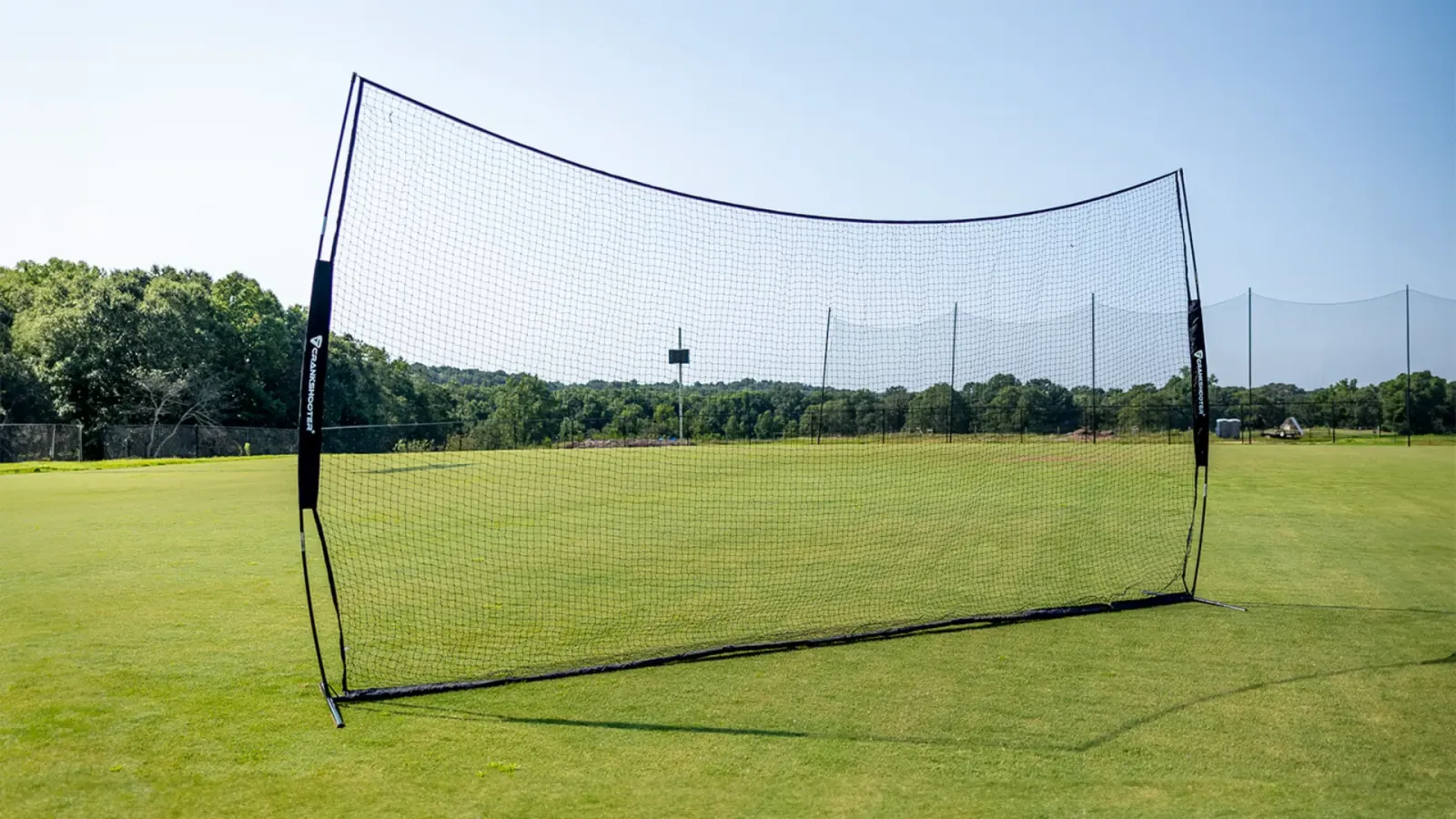
Wherever your player lands, the reps at home are what move them forward. A rebounder for solo work, a regulation goal to shoot on, a backstop to save the siding, and a full bag of balls will do more for their game over a season than anything else.

Gear up for the position and get to work.

Crankshooter Tougher. Stronger. Better. America's Lacrosse Company · Est. 2012 · Veteran Owned

Back to blog

Leave a comment

Please note, comments need to be approved before they are published.